
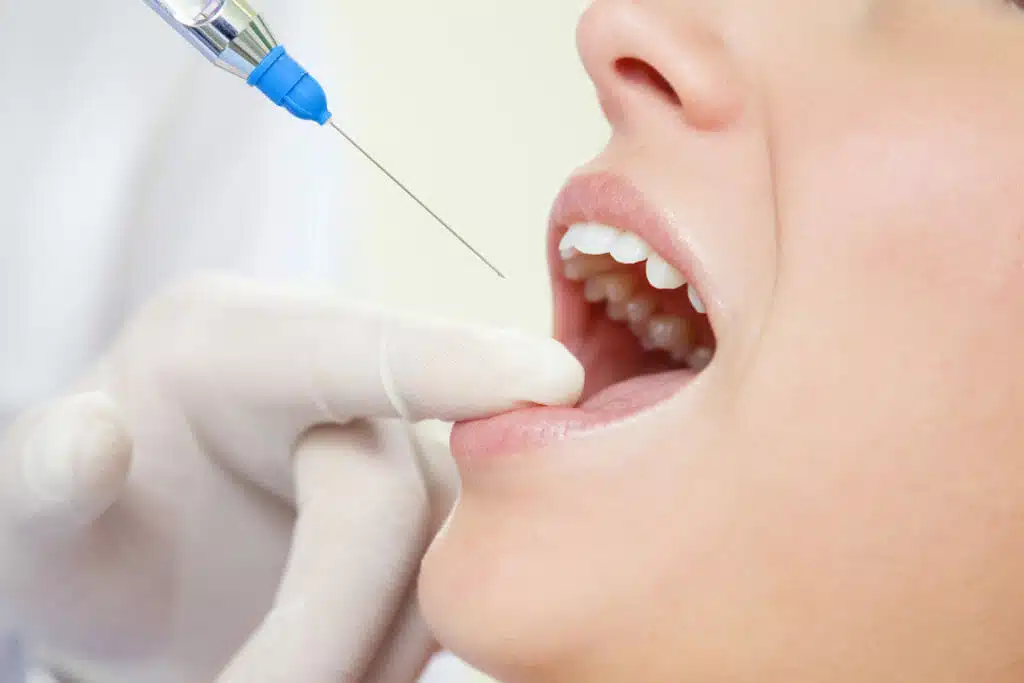
The Emerging Role of Botulinum Toxin in Post-Surgical Dental Care
The intersection of aesthetic medicine and dentistry has yielded some rather remarkable therapeutic applications in recent years. Whilst most people associate botulinum toxin injections with cosmetic enhancement, the dental profession has discovered compelling evidence that these injections can play a significant role in facilitating recovery following complex oral surgical procedures. The mechanism by which Botox Tunbridge Wells practitioners and dental surgeons employ this treatment extends far beyond mere aesthetics, venturing into the realm of genuine clinical benefit.
Complex dental surgeries, including procedures such as jaw reconstruction, extensive extractions, and surgical correction of temporomandibular joint disorders, often leave patients with considerable muscular tension and discomfort. The body’s natural response to surgical trauma includes muscle spasms, clenching, and involuntary movements that can compromise the healing process. This is precisely where botulinum toxin demonstrates its therapeutic value, offering a targeted approach to managing post-operative complications that traditional pain management alone cannot adequately address.
Understanding the Physiological Mechanisms at Work
Botulinum toxin functions by temporarily blocking the release of acetylcholine at neuromuscular junctions, effectively reducing excessive muscle activity without causing complete paralysis. In the context of post-surgical dental care, this mechanism proves particularly valuable. When strategically administered to the muscles of mastication and surrounding facial musculature, the injections can significantly reduce involuntary clenching and grinding that might otherwise disrupt delicate surgical sites.
The reduction in muscular tension achieved through these injections creates an environment more conducive to healing. Surgical sites experience less mechanical stress, allowing tissues to regenerate without constant interruption from muscular forces. Furthermore, research has demonstrated the analgesic properties of botulinum toxin, suggesting that its benefits extend beyond simple muscle relaxation to include direct pain modulation pathways.
Clinical Applications Following Specific Surgical Procedures
Temporomandibular Joint Surgery
Patients who undergo surgical intervention for temporomandibular joint disorders frequently experience post-operative muscle hyperactivity. The administration of botulinum toxin to the masseter, temporalis, and lateral pterygoid muscles has shown considerable promise in reducing this problematic response, allowing the joint structures to heal without the constant burden of excessive muscular forces.
Orthognathic Surgery Recovery
Orthognathic procedures, which involve the surgical repositioning of the jaw, represent some of the most complex interventions in dental surgery. The muscles surrounding the surgical site must adapt to new anatomical positions, a process that can be hindered by spasmodic activity and tension. Botulinum toxin injections administered in the post-operative period help to ease this transition, reducing the muscular resistance that might otherwise compromise the surgical outcome or cause significant patient discomfort.
Extensive Extraction Sites and Bone Grafting
When multiple teeth are extracted or bone grafting procedures are performed, the surrounding musculature can inadvertently place pressure on healing tissues. Strategic use of botulinum toxin helps to minimise this mechanical interference, creating a more stable environment for osseointegration and soft tissue regeneration. This application has proven particularly beneficial in cases where dental implants are being placed simultaneously with extractions.
Additional Therapeutic Benefits Beyond Muscle Relaxation
Beyond the primary mechanism of reducing muscular hyperactivity, botulinum toxin injections offer several ancillary benefits that contribute to improved healing outcomes. The reduction in muscle tension often correlates with decreased inflammation in the surrounding tissues, as the constant mechanical irritation is eliminated. Patients frequently report improved sleep quality following treatment, as nocturnal bruxism and clenching are substantially reduced, allowing for more restorative rest during the critical healing period.
The psychological benefits should not be overlooked either. Patients who experience less pain and discomfort naturally exhibit reduced anxiety and stress, factors which are known to influence healing rates. The ability to manage post-operative symptoms more effectively contributes to better treatment compliance and overall patient satisfaction. For those interested in exploring the therapeutic benefits of Botox in dentistry, the evidence continues to accumulate in favour of this innovative approach.
The Future of Integrated Dental Treatment Protocols
As clinical studies continue to validate the efficacy of botulinum toxin in dental applications, it becomes increasingly clear that this treatment modality deserves consideration as part of comprehensive post-surgical care protocols. The integration of Botox Tunbridge Wells treatments into dental practices reflects a broader trend towards multidisciplinary approaches that prioritise patient comfort and optimal healing outcomes. Whilst traditional pain management strategies remain important, the addition of targeted botulinum toxin therapy represents a sophisticated evolution in post-operative dental care that addresses the underlying mechanical factors contributing to complications and discomfort.
