
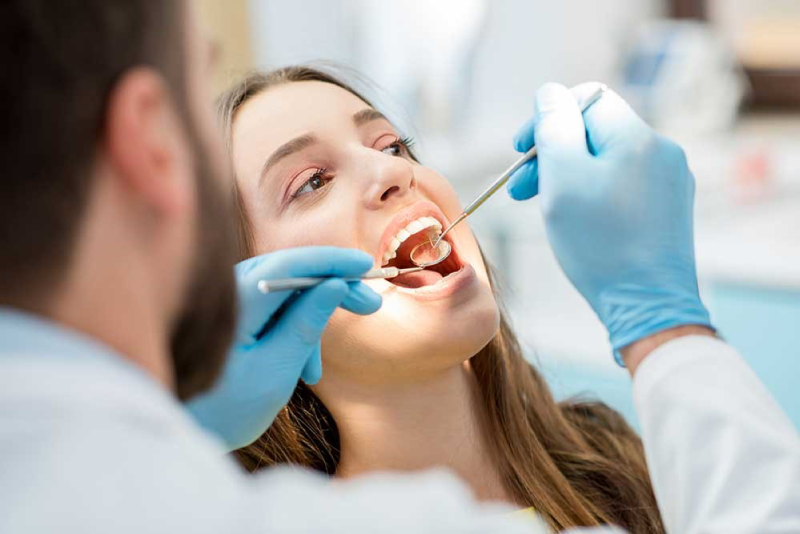
The Dawn of Robotic Dentistry
The dental profession stands on the precipice of a technological revolution that promises to transform patient care in ways previously confined to science fiction. Robotic dentistry, once a futuristic concept, has emerged as a tangible reality that’s reshaping how dental professionals, such as a dentist Welling, approaches treatment planning, precision procedures, and patient outcomes. This remarkable advancement represents more than just technological novelty; it embodies a fundamental shift towards enhanced accuracy, reduced treatment times, and improved patient comfort.
Modern dental robotics encompasses a sophisticated array of systems designed to augment human expertise rather than replace it. These cutting-edge technologies include robotic surgical assistants, automated implant placement systems, and precision-guided treatment devices that work in harmony with skilled practitioners. The integration of artificial intelligence, advanced imaging, and mechanical precision has created opportunities for dental care that surpasses traditional limitations whilst maintaining the essential human touch that patients value.
Precision Engineering Meets Oral Healthcare
The marriage of robotics and dentistry has yielded remarkable innovations in treatment precision. Robotic systems can achieve levels of accuracy measured in micrometres, far exceeding the capabilities of even the steadiest human hands. This precision proves particularly valuable in complex procedures such as dental implant placement, where millimetre-perfect positioning determines long-term success rates and patient satisfaction.
Contemporary robotic dental systems utilise real-time imaging and computer-guided navigation to ensure optimal treatment outcomes. These technologies enable practitioners to plan procedures with unprecedented detail, visualising treatment paths and potential complications before making the first incision. The result is a more predictable treatment process that reduces chair time and enhances patient comfort throughout the procedure.
Enhanced Patient Experience Through Technology
Patients visiting dental practices are increasingly likely to encounter these advanced robotic systems as part of their treatment journey. The integration of robotics in dental care has significantly improved patient experiences by reducing treatment duration, minimising discomfort, and providing more consistent outcomes. These benefits extend beyond the immediate procedure, often resulting in faster healing times and reduced post-treatment complications.
The psychological impact of robotic assistance cannot be understated. Many patients find comfort in knowing that their treatment incorporates the latest technological advances, providing reassurance about the quality and precision of their care. This confidence translates into reduced anxiety and improved cooperation during procedures, creating a positive feedback loop that benefits both patient and practitioner.
Transforming Treatment Protocols
The implementation of robotic systems has fundamentally altered traditional treatment protocols across various dental specialities. Oral surgeons now rely on robotic guidance for complex extractions and bone grafting procedures, whilst periodontists utilise precision instruments for minimally invasive gum treatments. These advancements have established new standards of care that prioritise patient comfort without compromising clinical outcomes.
Robotic dentistry has proven particularly transformative in the field of prosthodontics, where precise measurements and perfect fit are paramount. Automated crown preparation and digital impression systems work seamlessly together to create restorations that achieve optimal marginal fit and aesthetic appeal. This technological synergy has reduced the need for multiple appointments and remake procedures, streamlining the patient journey considerably.
Training and Implementation Challenges
The adoption of robotic systems requires comprehensive training programmes that ensure practitioners can harness these technologies effectively. Dental professionals must develop new skill sets that combine traditional clinical expertise with technological proficiency. This learning curve, whilst initially demanding, ultimately enhances practitioner capabilities and expands treatment possibilities for patients seeking advanced care.
Investment in robotic dental technology represents a significant commitment for practices, requiring careful consideration of cost-benefit ratios and patient demographics. However, early adopters have reported improved patient satisfaction rates and enhanced clinical outcomes that justify the initial expenditure. The role of dental robotics in enhancing patient care continues to evolve as more practices integrate these systems into their daily operations.
Future Prospects and Industry Evolution
The trajectory of dental robotics suggests an exciting future where technology and human expertise collaborate to achieve unprecedented treatment outcomes. Research continues to advance the capabilities of these systems, with developments in artificial intelligence promising even greater precision and predictability. Recent studies have highlighted the potential for robotic systems to revolutionise dental surgery procedures, indicating substantial growth in this field.
As the technology matures, accessibility and affordability are expected to improve, making robotic dental care available to broader patient populations. This democratisation of advanced dental technology promises to elevate standards of care across the profession, ensuring that patients benefit from the precision and reliability that robotic systems provide.
Embracing Technological Advancement
The integration of robotics into dental practice represents a natural evolution of the profession’s commitment to excellence and innovation. As these technologies continue to mature and become more accessible, the benefits of revolutionising oral care with advanced robotic dentistry will become increasingly apparent to practitioners and patients alike, ushering in a new era of precision-driven dental care.
