
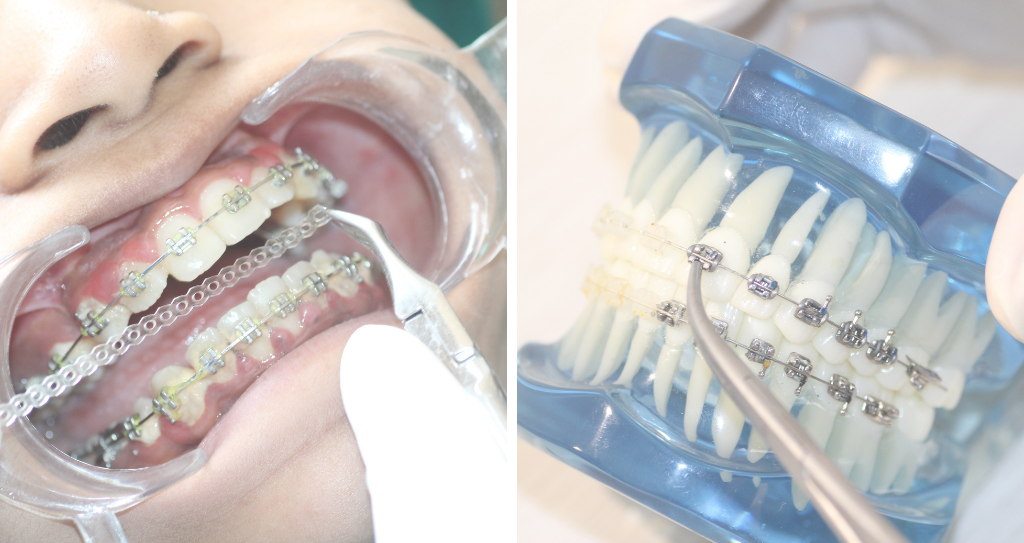
The Unexpected Connection Between Dental Care and Mental Well-being
In the bustling landscape of modern life, the pursuit of mindfulness has become increasingly vital for maintaining mental equilibrium. Whilst meditation apps and yoga classes dominate wellness conversations, an unexpected ally has emerged in the quest for heightened awareness: orthodontic treatment, possibly from an orthodontist London. The journey towards straighter teeth extends far beyond aesthetic improvements, weaving itself into the fabric of daily mindfulness practices in remarkably profound ways.
The relationship between orthodontics and mindfulness begins with the fundamental shift in awareness that occurs when one embarks upon treatment. Whether through traditional metal braces, clear aligners, or other corrective appliances, patients inevitably develop a heightened consciousness of their oral environment. This newfound attention to the mouth and teeth creates a natural gateway to present-moment awareness that forms the cornerstone of mindful living.
Consider the simple act of eating, which transforms dramatically during orthodontic treatment. What was once an automatic process becomes a deliberate, conscious activity. Patients must carefully consider food choices, chewing patterns, and cleaning routines. This enhanced awareness naturally extends beyond meal times, creating ripple effects throughout daily activities. The orthodontic journey promotes mindful eating habits that persist long after treatment completion.
Daily Rituals and Heightened Awareness
Orthodontic care necessitates the establishment of structured daily routines that serve as natural mindfulness anchors. The morning ritual of checking appliance positioning, the careful cleaning protocols throughout the day, and evening maintenance routines create multiple touchpoints for present-moment awareness. These activities require focused attention and deliberate movement, transforming mundane tasks into opportunities for mindful engagement.
The Psychology of Consistent Practice
The discipline required for successful orthodontic treatment mirrors the dedication necessary for developing mindfulness practices. Patients learn to maintain consistency in their care routines, developing patience with gradual progress, and cultivating acceptance of temporary discomfort for long-term benefits. These psychological skills translate seamlessly into other areas of personal development, creating a foundation for sustained mindfulness practice.
When seeking professional guidance, consulting with an experienced orthodontist ensures that treatment plans incorporate these mindfulness benefits alongside clinical outcomes. The integration of mental well-being considerations into treatment protocols represents a holistic approach to dental care that acknowledges the interconnectedness of physical and psychological health.
Breathing Awareness and Oral Health
Orthodontic treatment frequently addresses breathing patterns and jaw positioning, naturally drawing attention to respiratory habits. Patients often discover improved nasal breathing capabilities as their bite alignment corrects, leading to enhanced oxygen flow and reduced mouth breathing. This physiological improvement creates opportunities for incorporating breathing-based mindfulness techniques into daily routines, as individuals become more attuned to their respiratory patterns and their impact on overall well-being.
The correction of malocclusions and jaw misalignments can significantly improve sleep quality, which directly influences one’s capacity for mindful awareness during waking hours. Better rest translates to improved emotional regulation, clearer thinking, and enhanced ability to remain present throughout daily activities. The cyclical relationship between physical comfort and mental clarity becomes increasingly apparent as treatment progresses.
Professional Perspectives on Integrated Care
Contemporary orthodontic practice increasingly recognises the value of incorporating mindfulness principles into patient care. Clinical precision combined with mindful awareness creates treatment environments that support both physical transformation and psychological growth. This approach acknowledges that successful orthodontic outcomes extend beyond mechanical tooth movement to encompass overall patient well-being.
Treatment appointments themselves become opportunities for practising presence and acceptance. Regular check-ups require patients to sit quietly whilst adjustments are made, creating natural meditation-like experiences. The discomfort associated with tightening appointments teaches valuable lessons about observing sensations without immediate reaction, a fundamental mindfulness skill applicable to numerous life situations.
Long-term Benefits Beyond Treatment
The mindfulness skills developed during orthodontic treatment often persist well beyond the removal of appliances. Patients frequently report continued awareness of posture, breathing patterns, and eating habits years after completing treatment. The integration of mindfulness practices within orthodontic care creates lasting behavioural changes that support ongoing personal development and stress management.
The enhanced self-awareness cultivated through orthodontic treatment extends to facial expressions, speaking patterns, and social interactions. Individuals often develop greater confidence in their communication abilities, leading to more mindful engagement in personal and professional relationships.
Embracing the Journey Towards Integrated Wellness
The path through orthodontic treatment offers unexpected opportunities for developing mindfulness practices that enrich daily life. By embracing the awareness-enhancing aspects of dental care, individuals can transform routine maintenance into meaningful moments of presence and self-reflection. This holistic approach to orthodontics demonstrates the profound interconnectedness between physical health and mental well-being, creating lasting benefits that extend far beyond the achievement of a beautiful smile.
